

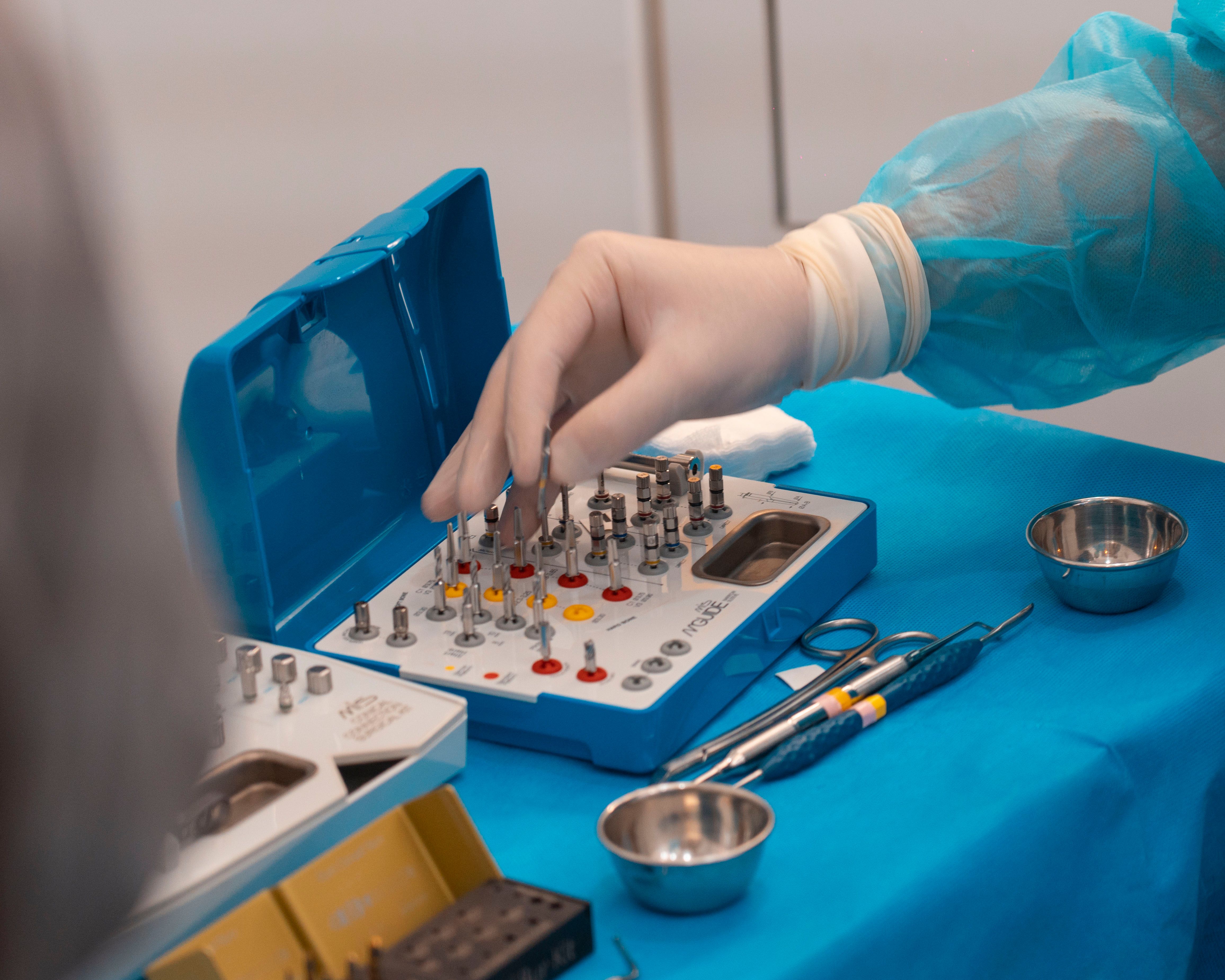
A lot of medical devices are sensitive and costly. And often, they are transported between hospitals, laboratories, ambulances, and mobile health settings. Without proper storage, they can be damaged or contaminated.
This is where precision storage solutions come in. Protective foam inserts help to ensure the cleanliness and accessibility of medical devices. Particularly when equipment is transported frequently or used under pressure.
Here are more reasons why it matters:
Medical equipment is often fragile
Medical devices are often equipped with:
- Sensitive electronic components
- Screens
- Connectors
- Calibration systems
- Other electronics that can be damaged by impact.
Even small movements during transport can affect performance or shorten equipment lifespan.
Internal protection is critical for portable equipment like:
- Ultrasound machines
- Testing instruments
- Monitoring systems.
Protective foam inserts are used in medical storage solutions to minimize the risk of:
- Shifting
- Colliding
- Scratches
- Damage
The compartments are cut precisely according to each device. This minimizes movement and promotes organization.
It prevents contamination
Medical spaces are one of the most critical places where cleanliness must be taken into account. Contaminated surfaces can negatively affect hygiene. They can increase the risk during patient care.
Precise storage allows the devices to be securely contained in separate spaces. This minimizes unnecessary exposure. Organized storage arrangements also minimize unnecessary handling. This may reduce the transfer of dirt and bacteria between surfaces.
Sealed storage is even more critical in mobile healthcare environments. In this case, equipment is transported from vehicles to clinics and treatment sites. Correct compartmentalization helps to maintain cleaner conditions and assists with infection control procedures.
It simplifies mobility
Healthcare professionals often have to operate in a high-speed environment. Here, speed and reliability are crucial. Think of:
- Emergency responders
- Mobile clinics
- Field health workers.
They must have readily accessible, transportable equipment.
Lack of proper organization may delay response times. But with precision layouts, users can easily find tools without scouring through bags or containers.
Efficient storage also means less physical stress for employees. Structured storage systems simplify the transportation and handling of equipment. They minimize accidental damage or drops.
Organized layouts enhance accuracy
Consistency is important in medical workflows. Repeatable storage layouts help to ensure equipment is always stored in the same location. This helps to improve efficiency. It also minimizes human error.
Medical teams sometimes work under demanding conditions. In such situations, they depend on routine and familiarity. Well-defined storage areas allow staff to easily verify that all tools are in place before transport or procedures start.
Repeatable layouts also enable:
- Inventory management
- Compliance procedures.
All of the components stay in place. Otherwise, it’s easier to see which ones are missing.
Long-term equipment protection
Medical equipment can be costly to replace. If stored improperly, this can cause avoidable damage such as:
- Broken screens
- Broken connectors
- Contamination problems.
Precision storage can help to prolong the life of equipment by minimizing:
- Unnecessary movements
- Impact exposure
- Environmental hazards.
This, over time, can bring these perks:
- Increase reliability
- Reduce maintenance costs
- Prolong the operational life of critical equipment.
The bottom line
Medical professionals rely on well-functioning equipment. A significant part of that reliability is the storage aspect. A well-organized system will help protect devices, enhance access, and promote a safer environment.